
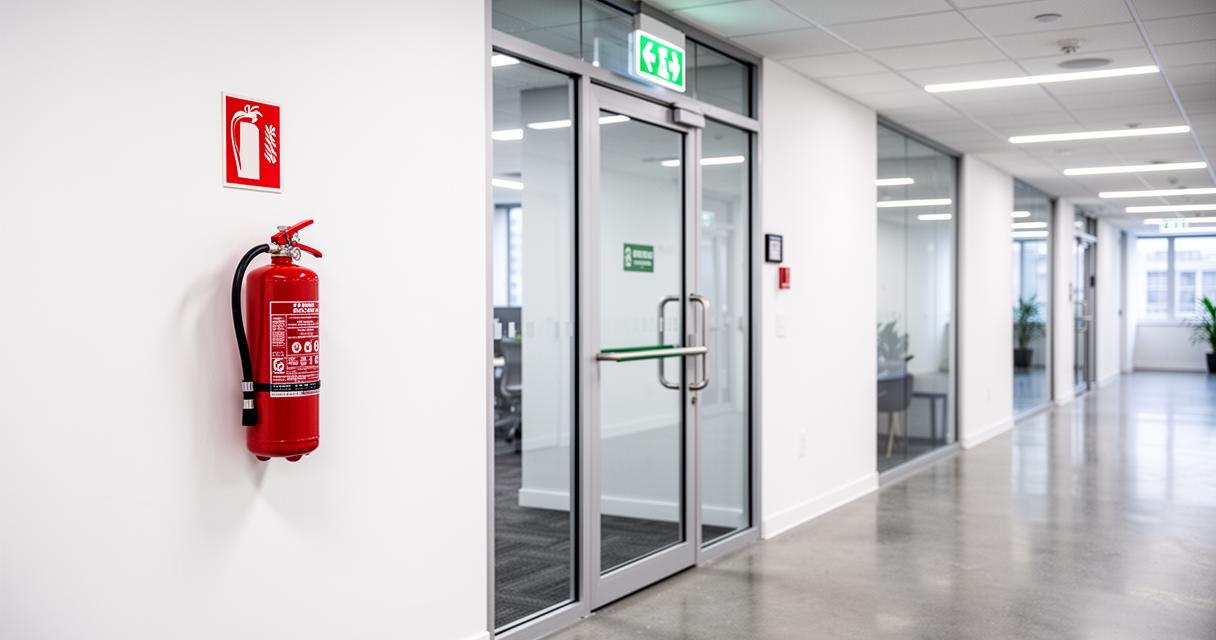
Whether you work in a bustling office, a busy warehouse, or a small shop, having the right fire protection equipment on hand is a fundamental part of keeping people safe. Yet simply owning a fire extinguisher is not enough — knowing how to use it correctly and ensuring it remains in good working order are equally important responsibilities. This article explores both the practical side of operation and the ongoing obligations of fire extinguisher maintenance.
In brief
- The PASS technique—Pull, Aim, Squeeze, Sweep—is the standard method for effectively operating a fire extinguisher during the initial stages of a fire.
- Selecting the correct type of extinguisher, such as water, foam, CO2, or powder, is critical because using the wrong agent can worsen specific fire classes.
- Regular professional servicing by certified technicians is legally required for businesses to ensure equipment integrity, such as checking for pressure, leaks, and corrosion.
- In addition to annual professional servicing, designated staff should conduct monthly visual inspections to confirm extinguishers remain accessible and undamaged.
- Fire safety protocols must include tracking expiry dates and conducting periodic hydrostatic testing to replace units that have reached the end of their serviceable life.
- Maintaining detailed records of all fire safety inspections and maintenance is essential for demonstrating legal compliance and ensuring workplace safety.
How to Use a Fire Extinguisher Properly and Safely
Understanding the PASS Technique for Effective Fire Suppression
When a small fire breaks out, acting swiftly and correctly can make all the difference. The PASS technique is widely recognised as the clearest method for using portable fire extinguishers effectively. In terms of workplace fire safety, it is worth remembering that an extinguisher has a limited operating time, which means there is very little room for hesitation or error. The four steps of PASS are as follows: Pull the safety pin from the handle, Aim the nozzle low towards the base of the fire, Squeeze the handle to release the extinguishing agent, and Sweep the nozzle from side to side across the base of the flames until they are fully suppressed. Practising this sequence — even in a non-emergency setting — builds the kind of muscle memory that proves invaluable under pressure.

Choosing the Right Type of Extinguisher for Different Fire Classes
Not every extinguisher is suited to every kind of fire, and selecting the wrong type can actually worsen a situation. Fire extinguisher types are designed with specific fire classes in mind. Water extinguishers are appropriate for ordinary combustible materials such as paper and wood. Foam extinguishers tackle liquid fires, making them a sensible choice where flammable liquids are stored. CO2 extinguishers are the go-to option for electrical fires, as they leave no residue and do not conduct electricity. Powder extinguishers offer broader coverage and can deal with a variety of fire types. Ensuring that the correct extinguisher is mounted in the right location is a core element of sound fire safety management and fire hazard prevention.
Maintaining fire extinguishers through regular servicing and expiry checks
What regular servicing involves and why it matters
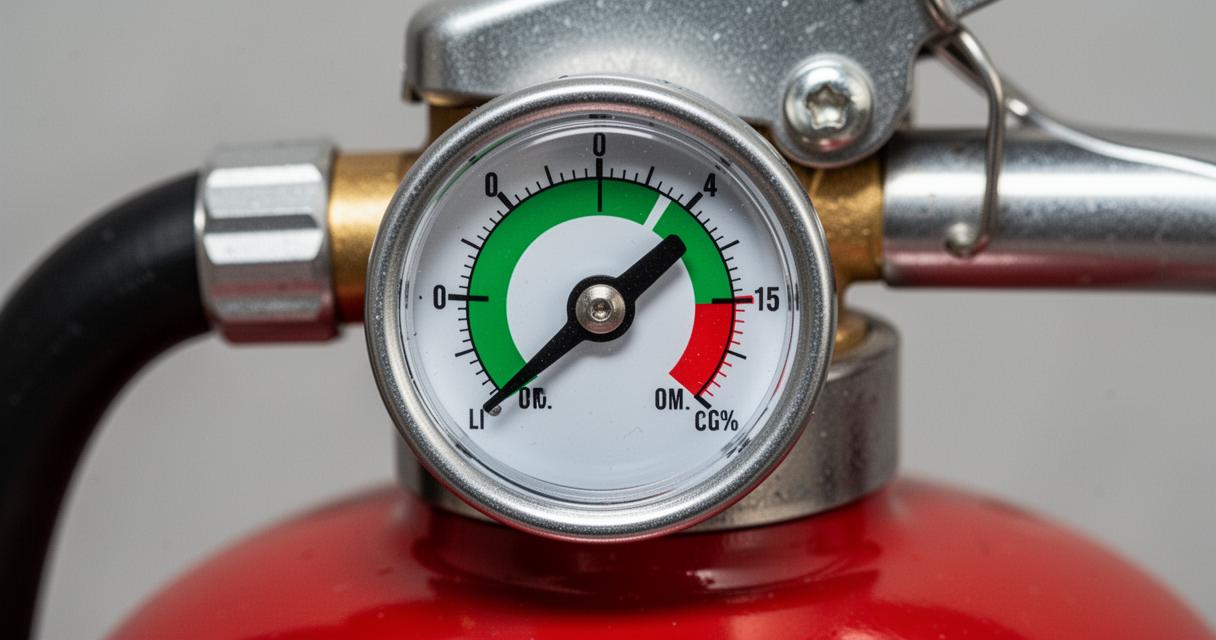
Owning a fire extinguisher creates an ongoing duty of care. Fire extinguisher servicing is not merely a bureaucratic formality — it is what stands between you and a device that fails at the critical moment. A certified safety technician carrying out an extinguisher inspection service will typically examine the unit for physical damage, corrosion, and leaks, while also conducting a pressure gauge inspection to confirm the pressure sits within the safe operating range. Labels and instructions are checked to ensure they remain legible, and the technician verifies that the extinguisher is mounted at the correct height and remains freely accessible. After the visit, each unit receives fire extinguisher tagging showing the service date, and a written report details any concerns or recommendations. Under UK legislation, businesses are legally required to keep their emergency fire equipment properly maintained, and documented records of servicing are essential for demonstrating fire safety compliance.
How to Check Expiry Dates and Recognise When Replacement Is Needed
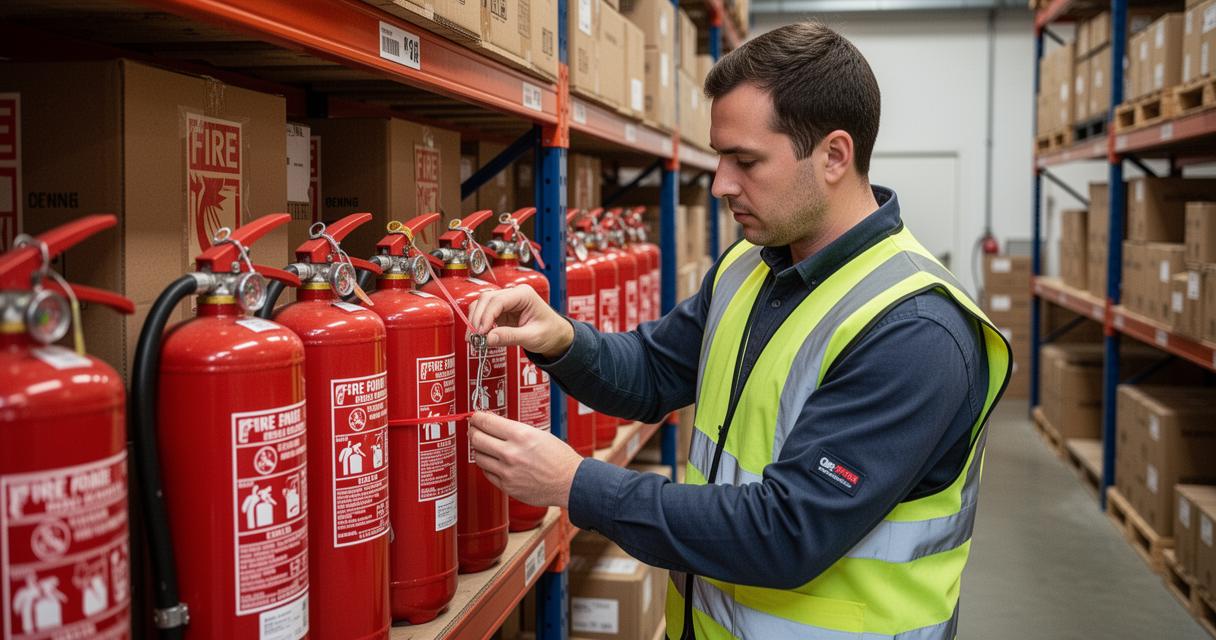
Beyond the annual fire safety check carried out by a professional, a monthly visual safety inspection by a designated safety officer is strongly advisable. This involves a quick scan for visible damage, a glance at the pressure gauge, and confirmation that the unit has not been moved or obstructed. Some extinguishers require more involved attention at longer intervals — hydrostatic testing, or extinguisher pressure testing, may be required depending on the type and age of the unit, typically every five to twelve years. Common issues uncovered during inspections include corrosion, missing or illegible labels, incorrect pressure, and simply overlooked expiry dates. Commercial fire safety protocols benefit greatly from a structured maintenance schedule, and digital tools are increasingly used to track servicing timelines and store compliance records. Recognising when an extinguisher has reached the end of its serviceable life — rather than assuming it will still perform — is one of the most straightforward ways to uphold safety regulatory standards and protect everyone on the premises.